Theater Oberhausen SZ 2026/27
Theater Oberhausen SZ 2026/27
Theater Oberhausen SZ 2026/27
Performing Arts
Performing Arts
Performing Arts
Illustration
Illustration
Illustration
Music
Music
Music
Posters
Posters
Posters
Culture
Culture
Culture
Corporate
Corporate
Corporate
2026
2026

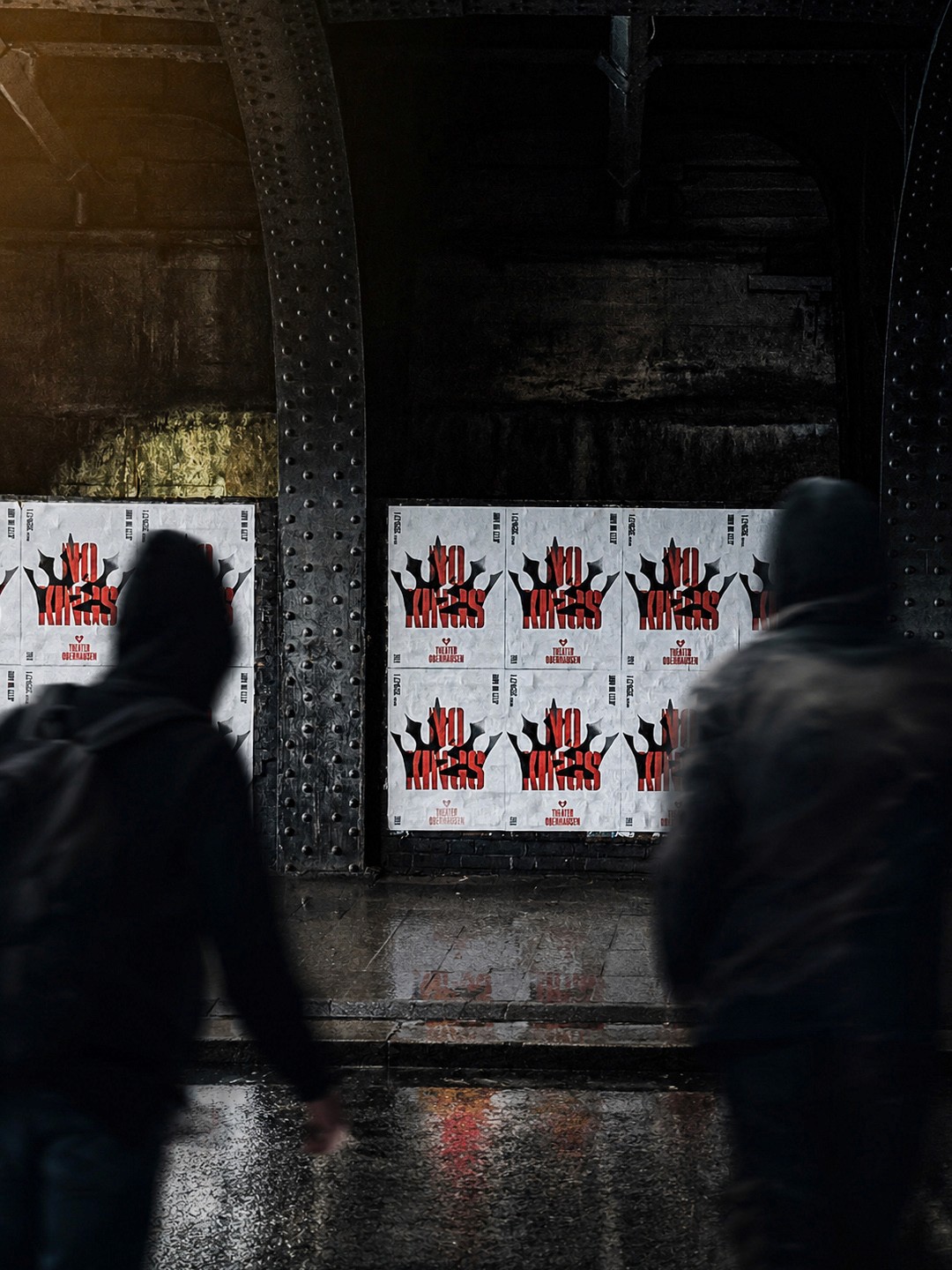
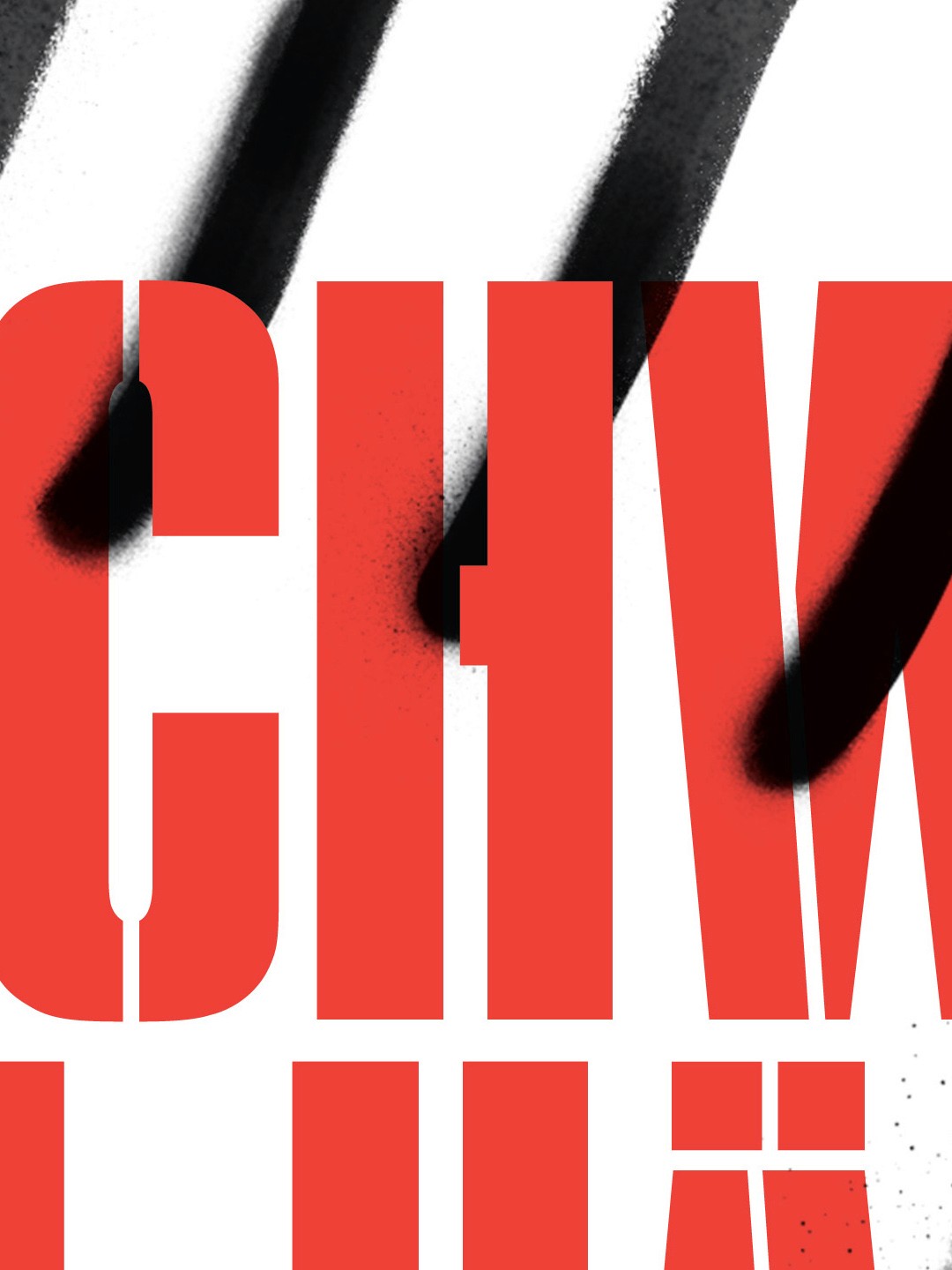
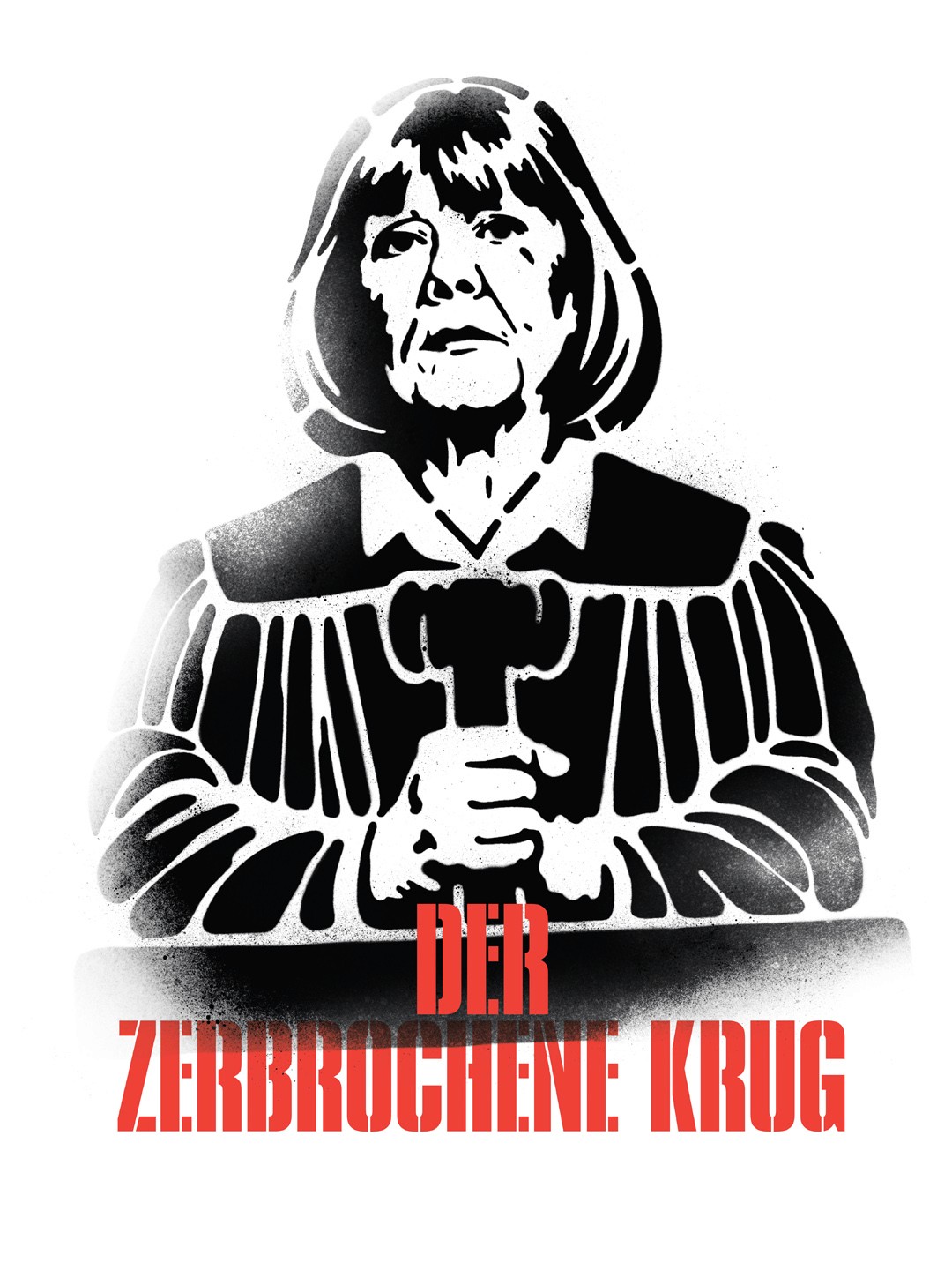
With NO KINGS, Oberhausen positions itself unapologetically as a place of dissent. Drawing on the visual language of protest movements, the season transforms the theatre into a space where anger, solidarity, contradiction and collective action become both subject matter and aesthetic strategy. The visual identity takes its cues from stencil graffiti — one of the most immediate and reproducible graphic languages of political activism. Built upon a custom stencil adaptation of the theatre's corporate typeface, Compacta, every production receives a bold key visual reduced to its essential gesture: direct, uncompromising and instantly recognisable. Raw textures, ruptured forms and deliberately imperfect execution reject polished neutrality in favour of urgency and physical presence. The stencil itself becomes the conceptual centre of the identity. Historically a tool of anonymous intervention in public space, it embodies accessibility, repetition and collective authorship. Rather than treating this visual vocabulary as decoration, the project extends it into the real world: every production's artwork can be downloaded as a ready-to-cut stencil template, inviting audiences to reproduce, reinterpret and redistribute the imagery themselves. Graphic identity becomes an open system rather than a finished product. Animations, live spraying and participatory actions further dissolve the boundary between institution and public space. The theatre no longer appears as a distant cultural authority but as an active participant within contemporary political discourse. Despite its confrontational appearance, the identity ultimately argues for complexity rather than certainty. Protest graphics are appropriated not to prescribe ideology but to celebrate theatre's enduring role as a site of disagreement, imagination and democratic friction. In a moment when public debate increasingly gravitates towards absolutes, NO KINGS insists that culture remains one of the few places where contradiction itself can still be productively staged.
With NO KINGS, Oberhausen positions itself unapologetically as a place of dissent. Drawing on the visual language of protest movements, the season transforms the theatre into a space where anger, solidarity, contradiction and collective action become both subject matter and aesthetic strategy. The visual identity takes its cues from stencil graffiti — one of the most immediate and reproducible graphic languages of political activism. Built upon a custom stencil adaptation of the theatre's corporate typeface, Compacta, every production receives a bold key visual reduced to its essential gesture: direct, uncompromising and instantly recognisable. Raw textures, ruptured forms and deliberately imperfect execution reject polished neutrality in favour of urgency and physical presence. The stencil itself becomes the conceptual centre of the identity. Historically a tool of anonymous intervention in public space, it embodies accessibility, repetition and collective authorship. Rather than treating this visual vocabulary as decoration, the project extends it into the real world: every production's artwork can be downloaded as a ready-to-cut stencil template, inviting audiences to reproduce, reinterpret and redistribute the imagery themselves. Graphic identity becomes an open system rather than a finished product. Animations, live spraying and participatory actions further dissolve the boundary between institution and public space. The theatre no longer appears as a distant cultural authority but as an active participant within contemporary political discourse. Despite its confrontational appearance, the identity ultimately argues for complexity rather than certainty. Protest graphics are appropriated not to prescribe ideology but to celebrate theatre's enduring role as a site of disagreement, imagination and democratic friction. In a moment when public debate increasingly gravitates towards absolutes, NO KINGS insists that culture remains one of the few places where contradiction itself can still be productively staged.
With NO KINGS, Oberhausen positions itself unapologetically as a place of dissent. Drawing on the visual language of protest movements, the season transforms the theatre into a space where anger, solidarity, contradiction and collective action become both subject matter and aesthetic strategy. The visual identity takes its cues from stencil graffiti — one of the most immediate and reproducible graphic languages of political activism. Built upon a custom stencil adaptation of the theatre's corporate typeface, Compacta, every production receives a bold key visual reduced to its essential gesture: direct, uncompromising and instantly recognisable. Raw textures, ruptured forms and deliberately imperfect execution reject polished neutrality in favour of urgency and physical presence. The stencil itself becomes the conceptual centre of the identity. Historically a tool of anonymous intervention in public space, it embodies accessibility, repetition and collective authorship. Rather than treating this visual vocabulary as decoration, the project extends it into the real world: every production's artwork can be downloaded as a ready-to-cut stencil template, inviting audiences to reproduce, reinterpret and redistribute the imagery themselves. Graphic identity becomes an open system rather than a finished product. Animations, live spraying and participatory actions further dissolve the boundary between institution and public space. The theatre no longer appears as a distant cultural authority but as an active participant within contemporary political discourse. Despite its confrontational appearance, the identity ultimately argues for complexity rather than certainty. Protest graphics are appropriated not to prescribe ideology but to celebrate theatre's enduring role as a site of disagreement, imagination and democratic friction. In a moment when public debate increasingly gravitates towards absolutes, NO KINGS insists that culture remains one of the few places where contradiction itself can still be productively staged.
With NO KINGS, Oberhausen positions itself unapologetically as a place of dissent. Drawing on the visual language of protest movements, the season transforms the theatre into a space where anger, solidarity, contradiction and collective action become both subject matter and aesthetic strategy. The visual identity takes its cues from stencil graffiti — one of the most immediate and reproducible graphic languages of political activism. Built upon a custom stencil adaptation of the theatre's corporate typeface, Compacta, every production receives a bold key visual reduced to its essential gesture: direct, uncompromising and instantly recognisable. Raw textures, ruptured forms and deliberately imperfect execution reject polished neutrality in favour of urgency and physical presence. The stencil itself becomes the conceptual centre of the identity. Historically a tool of anonymous intervention in public space, it embodies accessibility, repetition and collective authorship. Rather than treating this visual vocabulary as decoration, the project extends it into the real world: every production's artwork can be downloaded as a ready-to-cut stencil template, inviting audiences to reproduce, reinterpret and redistribute the imagery themselves. Graphic identity becomes an open system rather than a finished product. Animations, live spraying and participatory actions further dissolve the boundary between institution and public space. The theatre no longer appears as a distant cultural authority but as an active participant within contemporary political discourse. Despite its confrontational appearance, the identity ultimately argues for complexity rather than certainty. Protest graphics are appropriated not to prescribe ideology but to celebrate theatre's enduring role as a site of disagreement, imagination and democratic friction. In a moment when public debate increasingly gravitates towards absolutes, NO KINGS insists that culture remains one of the few places where contradiction itself can still be productively staged.
Theater Oberhausen SZ 2026/27
Performing Arts
Illustration
Music
Posters
Culture
Corporate
2026








more projects
more projects
more projects